

INFORMED CHOICES. PERSONALISED CARE.
Robotic Prostate Surgery
in India.
Understand your options for robotic prostate surgery . Explore hospitals, connect with specialists, and plan your next step with Medginnie.
Personal guidance, from your first conversation.- Indicative cost
- Personalised estimate
- Hospital stay
- Discuss with your specialist
- Recovery time
- Based on your care plan
- Hospital options
- 6 partner hospitals
Treatment overview
Advanced, Precise & Minimally Invasive Treatment for Prostate Conditions
Robotic prostate surgery is a state-of-the-art, nominally invasive surgical procedure that combines the knowledge of a practiced urologic surgeon with the precision of robotic technology. It is extensively used for the treatment of localized prostate cancer, benign prostatic hyperplasia (BPH) in selected cases, and certain intricate urological conditions.
Using a robotic surgical system, the surgeon performs the procedure through a few small incisions while controlling robotic instruments from a high-definition console. The robotic arms provide exceptional precision, flexibility, and control, allowing delicate procedures to be performed with greater accuracy while preserving surrounding nerves and tissues.
At MedWorld India, we connect international patients with leading robotic urology specialists and advanced hospitals equipped with the latest robotic surgical systems to ensure world-class treatment and comprehensive care.
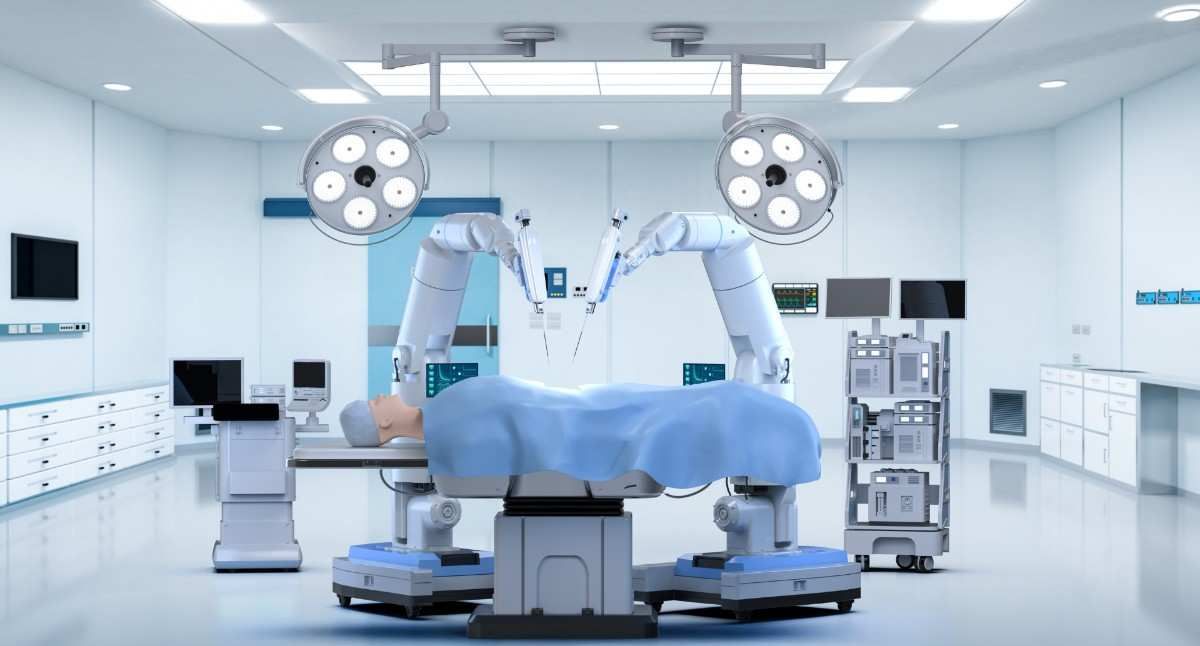
What is Robotic Prostate Surgery?
Robotic prostate surgery is a minimally invasive procedure in which the surgeon controls robotic instruments that translate hand movements into highly precise, real-time actions. The robotic system does not function self-reliantly—it is completely controlled by the surgeon during the procedure.
Compared to conservative open surgery, robotic-assisted surgery provides:
- Improved 3D high-definition visualization
- Better surgical meticulousness
- Better access to difficult-to-reach anatomical areas
- Improved conservation of nerves responsible for urinary continency and sexual function
- Reduced disturbance to neighbouring tissues
Conditions Treated with Robotic Prostate Surgery
Robotic-assisted surgery is usually recommended for:
- Localized prostate cancer
- Enlarged prostate (Benign Prostatic Hyperplasia - BPH) in selected patients
- Recurring prostate disease requires surgery
- Multifaceted urological reconstructive procedures
- Designated bladder and urinary tract conditions
The most common robotic procedure is Robot-Assisted Radical Prostatectomy (RARP), performed to remove the prostate gland in patients diagnosed with localized prostate cancer.
Who May Be a Candidate?
Robotic prostate surgery may be suitable for patients who:
- One who have localized prostate cancer without extensive spread
- Patient is healthy enough to undergo any kind surgery
- Patient is suffering moderate to severe urinary symptoms due to prostate enlargement
- Prefer a minimally invasive treatment option
- Wish to reduce recovery time and return to daily activities sooner
Every patient undergoes a complete evaluation, including imaging studies, blood tests, PSA levels, biopsy reports (if applicable), and session with a urologist before determining the most appropriate treatment plan.
Benefits of Robotic Prostate Surgery
Extraordinary Surgical Precision
Robotic technology lets surgeons to perform delicate actions with noteworthy accuracy, especially in areas enclosed by important nerves and blood vessels.
Smaller Incisions
Only a few small incisions are required instead of a large abdominal incision, resulting in:
- Less tissue damage
- Smaller scars
- Improved cosmetic outcomes
Less Blood Loss
Robotic surgery is linked with lower intraoperative blood loss and a concentrated need for blood transfusions compared to traditional open surgery.
Reduced Pain After Surgery
As the surrounding muscles and tissues are nominally disturbed, patients often experience a lesser amount of post-operative uneasiness and necessitate fewer pain medications.
Faster Recovery
Many patients are able to:
- Walk within a day after surgery
- Restart light daily activities within a few weeks
- Return to normal habits sooner than with traditional surgery
Recovery timelines vary contingent on the patient's overall health and the intricacy of the practice.
Shorter Hospital Stay
Most patients are discharged within 1–3 days, depending on their recovery and the surgeon's assessment.
Better Conservation of Urinary and Sexual Function
One of the major recompenses of robotic-assisted radical prostatectomy is the capability to better reserve the nerves responsible for:
- Urinary continence
- Erectile function
Recovery of these functions depends on factors such as the patient's age, overall health, pre-operative function, and the extent of the disease.
How is Robotic Prostate Surgery Performed?
The procedure generally involves the following steps:
- General anaesthesia is administered.
- Several small keyhole incisions are made.
- Robotic instruments and a high-definition camera are inserted.
- The surgeon functions from a robotic console with magnified 3D visualization.
- The prostate gland or the affected tissue is cautiously uninvolved while preserving surrounding structures whenever possible.
- The incisions are closed with minimal disfiguring.
The interval of surgery varies completely depends on the complexity of the case.
Retrieval After Robotic Prostate Surgery
Most patients experience a smoother recovery compared to traditional open surgery.
During recovery, patients may expect:
- Early mobilization within 24 hours
- Temporary urinary catheter placement for approximately 1–2 weeks (depending on the procedure)
- Mild discomfort that recovers over time
- Follow-up visits to monitor healing and recovery
Patients are asked to follow their surgeon's advice regarding activity restrictions, diet, and pelvic floor exercises to support speedy0020recovery.
Why Choose Robotic Prostate Surgery?
Robotic-assisted surgery offers several advantages over conventional open surgery:
- High surgical precision
- Enhanced imagining
- Smaller incisions
- Less blood loss
- Reduced post-operative pain
- Lower risk of wound-related complications
- Faster recovery
- Earlier return to normal activities
- Improved cosmetic results
While robotic surgery offers several benefits, the overall outcome also depends on the surgeon's experience, patient's health, and the nature of the underlying condition.
Your care. Your personalised estimate.
Costs depend on your treatment plan, hospital, specialist, and care needs. Share your details to request an estimate for robotic prostate surgery .
Request a cost estimateHospitals offering robotic prostate surgery






YOUR NEXT STEP, TOGETHER
Let’s talk about
your care.
Share a few details about your needs. Our team will help you explore options for robotic prostate surgery and request a personalised treatment estimate.
- Hospital and specialist guidance
- Help understanding treatment costs
- A dedicated point of contact
Request your care plan
Tell us a little about yourself. We’ll help with the next step.