

INFORMED CHOICES. PERSONALISED CARE.
Cancer treatment
in India.
Understand your options for cancer treatment. Explore hospitals, connect with specialists, and plan your next step with Medginnie.
Personal guidance, from your first conversation.- Indicative cost
- Personalised estimate
- Hospital stay
- Discuss with your specialist
- Recovery time
- Based on your care plan
- Hospital options
- 6 partner hospitals
Treatment overview
Cancer Treatment in India
Cancer is a disease in which some cells in the body start growing uncontrollably and spread to other parts of the body.
Body cells normally undergo controlled growth, division, and death. However, damaged or aberrant cells continue to grow in cancer. They can spread to other organs through the blood and lymphatic system or develop into a lump known as a tumour.

What is the cost of cancer treatment in India?
India offers incredibly affordable cancer therapy. The best hospitals provide reasonably priced medical care packages that include multiple services during the course of therapy. The cancer treatment cost in India may vary from USD 500 (INR 38,000) to USD 8000 (INR 611,000).
| Type of Cancer Treatment | Starting Price in ($) | |
|---|---|---|
| 1 | Chemotherapy | USD 600 - 2000 / Session |
| 2 | Radiation Therapy | USD 400 - 7000 |
| 3 | Immunotherapy | USD 8500 |
| 4 | Transarterial Chemoembolization (TACE) | USD 7000 - 8000 |
| 5 | Transarterial Radioembolization (TARE) | USD 30,000 |
| 6 | Breast Cancer Surgery (Lumpectomy) | USD 3000 |
| 7 | Mastectomy | USD 3500 |
| 8 | Prostate Cancer Treatment | USD 6000 - 8000 |
| 9 | Bladder Cancer Surgery | USD 3000 |
| 10 | TURBT | USD 4000 |
| 11 | Myeloblative Therapy | USD 12,000 |
| 12 | Amputation | USD 6000 |
| 13 | Cervical Cancer Treatment | USD 5000 |
| 14 | Colon Cancer - Polypectomy | USD 4500 |
| 15 | Cryosurgery | USD 1500 |
| 16 | Radiofrequency Ablation (RFA) | USD 4500 |
| 17 | Esophagus Cancer Surgery | USD 4500 |
| 18 | Kidney Cancer - Nephrectomy | USD 3500 |
| 19 | Targeted Therapy | USD 5000 |
| 20 | Liver Cancer Treatment | USD 2800 |
| 21 | Lymphoma Treatment | USD 6000 - 15000 |
| 22 | Lung Cancer Treatment | USD 5000 - 20000 |
| 23 | Pneumonectomy | USD 5000 |
| 24 | Multiple Myeloma Treatment | USD 7200 |
| 25 | Open Radical Prostatectomy | USD 3500 |
| 26 | Robotic Radical Prostatectomy | USD 6500 |
| 27 | Brachytherapy (Per Cycle) | USD 1100 |
| 28 | Cyberknife | USD 7000 |
| 29 | Whipple Surgery For Pancreatic Cancer | USD 7500 |
| 30 | Total Pancreatectomy | USD 5000 |
| 31 | Ovarian Cancer Treatment | USD 2800 |
| 32 | Uterus Cancer Treatment | USD 4000 - 6000 |
| 33 | Robotic Surgery For Uterine Cancer | USD 7000 |
| 34 | Cytoreductive Surgery (CRS) | USD 820 |
Cancer Treatment Options
Cancer treatment depends on the type, stage, location, and overall health of the patient. Modern medicine offers multiple treatment options that can be used alone or in combination to achieve the best results.
Surgery
Surgery is a common way to treat cancer especially when the cancer is only in one place. The main goal of surgery is to take out the tumor that has cancer and the tissue around it that is also affected. For people who have cancer that's not very advanced surgery can make the cancer go away completely. New ways of doing surgery like using cuts and robots to help the doctor can help people feel better faster and have less pain. Sometimes surgery is used with treatments, like chemotherapy or radiation therapy to make the treatment work better.
Chemotherapy
Chemotherapy uses medicines to kill cancer cells or stop them from growing. It can be given by injection through a drip or as tablets that you swallow. Chemotherapy can be used before an operation to make tumors smaller after an operation to kill any cancer cells that are left or, as the treatment if the cancer has spread. Nowadays chemotherapy is more targeted. We have better ways to help with the side effects so the treatment is safer and works better.
Radiation Therapy
Radiation therapy is a way to get rid of cancer cells. It uses rays to kill these bad cells and make tumors smaller. This treatment is very precise. It only targets the area and tries not to hurt the healthy parts of our body. Doctors can use radiation therapy by itself. They can use it after someone has had surgery or they can use it with chemotherapy. There are some cool tools, like IMRT, IGRT and proton therapy that help doctors give just the right amount of radiation. This means people have bad side effects. Radiation therapy is a way to kill cancer cells and shrink tumors. Doctors like using radiation therapy because it is very precise and helps people get better.
Immunotherapy
The bodys immune system is able to fight cancer when it gets a help from Immunotherapy. This is because Immunotherapy helps the immune system recognize cancer cells. Then it can destroy these cancer cells. Doctors use Immunotherapy to treat people with lung cancer, melanoma and some blood cancers.
There are kinds of Immunotherapy treatments. These include checkpoint inhibitors, CAR-T cell therapy and monoclonal antibodies. Immunotherapy is really good at treating cancers. It can even help people, with cancer for a long time. Many people are able to control their cancer with Immunotherapy.
Targeted Therapy
Targeted therapy is a treatment that focuses on genes, proteins or molecules. These are the things that help cancer grow and spread. Unlike chemotherapy targeted therapy attacks cancer cells in a precise way. This means it causes damage to the normal cells in our body. Doctors often use therapy to treat breast cancer, lung cancer and leukemia. Targeted therapy is often used along with treatments. This helps to get results, for the patients.
Hormone Therapy
Some cancers, like breast cancer and prostate cancer grow because of hormones. Hormone therapy helps by blocking or reducing the production of hormones, which slows down or stops the cancer from growing. This therapy is often used together with treatments, like surgery, radiation or targeted therapy to lower the risk of the cancer coming back.
Bone Marrow / Stem Cell Transplant
The stem cell transplant treatment is mainly used for blood cancers, like leukemia, lymphoma and multiple myeloma. This stem cell transplant treatment replaces the damaged bone marrow with stem cells after the patient has gone through high-dose chemotherapy or radiation therapy.
The stem cell transplant treatment can really help the patient rebuild their system and it can also improve the survival rates of patients who have stem cell transplant treatment.
Your care. Your personalised estimate.
Costs depend on your treatment plan, hospital, specialist, and care needs. Share your details to request an estimate for cancer treatment.
Request a cost estimateHospitals offering cancer treatment



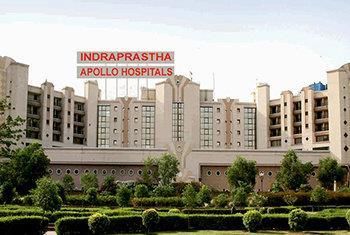
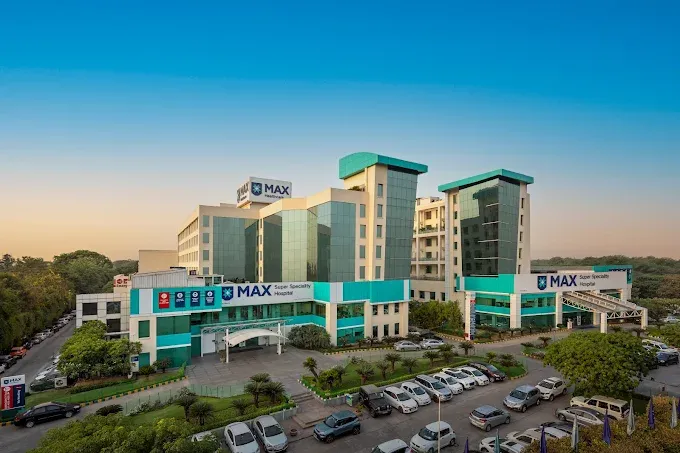

Specialists for cancer treatment
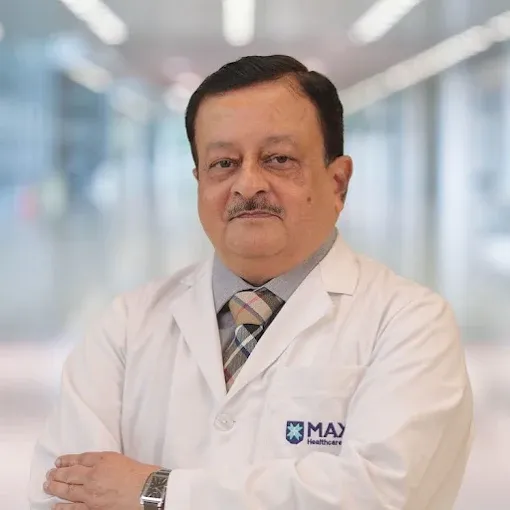 Dr (Prof) SVS DeoChairman - Surgical Oncology
 Dr. Akshay TiwariSenior Director
 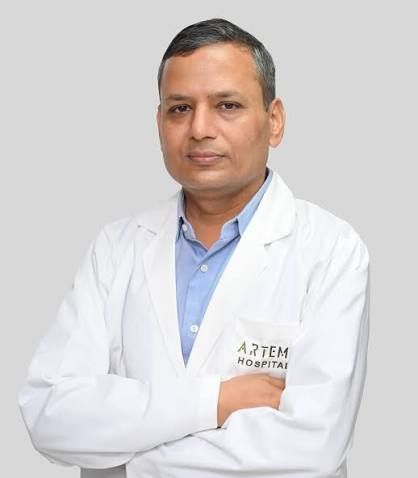 DR. RAHUL NAITHANIChief - Hematology, Oncology & Bone Marrow Transplant
 Dr. Charu GargVice Chairman - Radiation Oncology
 DR. RAJIV YADAVChairperson Urology & Head, Urologic Oncology & Robotic Surgery (Unit I)
 Dr. Ashok Kumar VaidChairman – Medical Oncology, Hematology & Stem Cell Transplant, Medanta Cancer Institute
Frequently asked questions
1. What cancer treatment options are available in India?+
As a patient, I may have several treatment options depending on my type and stage of cancer. These can include surgery, chemotherapy, radiation therapy, immunotherapy, targeted therapy, hormone therapy, or a combination of treatments.
2. How do I know which cancer treatment is right for me?+
The right treatment depends on factors such as my cancer type, stage, overall health, test results, and previous treatments. My oncologist will review my medical reports and recommend the most suitable treatment plan.
3. Can I get advanced cancer treatment in India?+
Yes. Many hospitals in India offer advanced cancer treatments, including precision medicine, targeted therapy, immunotherapy, advanced radiation techniques, and minimally invasive cancer surgery, depending on the hospital and cancer type.
4. How much does cancer treatment cost in India?+
The cost can vary significantly depending on the type and stage of cancer, treatment method, hospital, medicines, number of treatment cycles, and length of stay. A hospital can usually provide a more accurate estimate after reviewing my medical reports.
5. Can I get a second opinion before starting cancer treatment?+
Yes. Getting a second opinion from another oncologist can help me understand my diagnosis and compare treatment options before making an important decision.
6. Can cancer be treated without surgery?+
In some cases, surgery may not be necessary. Depending on my cancer, treatment may involve chemotherapy, radiation therapy, immunotherapy, targeted therapy, hormone therapy, or a combination of treatments. My doctor will determine whether surgery is required.
7. How long does cancer treatment take in India?+
Treatment duration depends on my diagnosis and treatment plan. Some treatments may take a few weeks, while others may continue for several months or longer. My oncologist can explain the expected treatment timeline.
8. What documents and medical reports do I need for cancer treatment?+
I should ideally have my biopsy/pathology report, CT/MRI/PET scan reports, blood test results, previous treatment records, discharge summaries, and current medication details. These help the cancer specialist understand my case and suggest an appropriate treatment plan.
9. Can international patients come to India for cancer treatment?+
Yes. India treats many international patients and several hospitals have international patient departments that can assist with medical consultations, treatment coordination, hospital arrangements, and other aspects of medical travel.
10. How can I start my cancer treatment journey in India?+
I can begin by sharing my medical reports with a qualified cancer specialist or hospital for evaluation. The medical team can review my case, suggest possible treatment options, provide an estimated treatment plan and cost, and guide me through the next steps.
YOUR NEXT STEP, TOGETHER
Let’s talk about
your care.
Share a few details about your needs. Our team will help you explore options for cancer treatment and request a personalised treatment estimate.
- Hospital and specialist guidance
- Help understanding treatment costs
- A dedicated point of contact
Request your care plan
Tell us a little about yourself. We’ll help with the next step.