
CAR T-Cell Therapy in India
Ankit · 2026-10-26
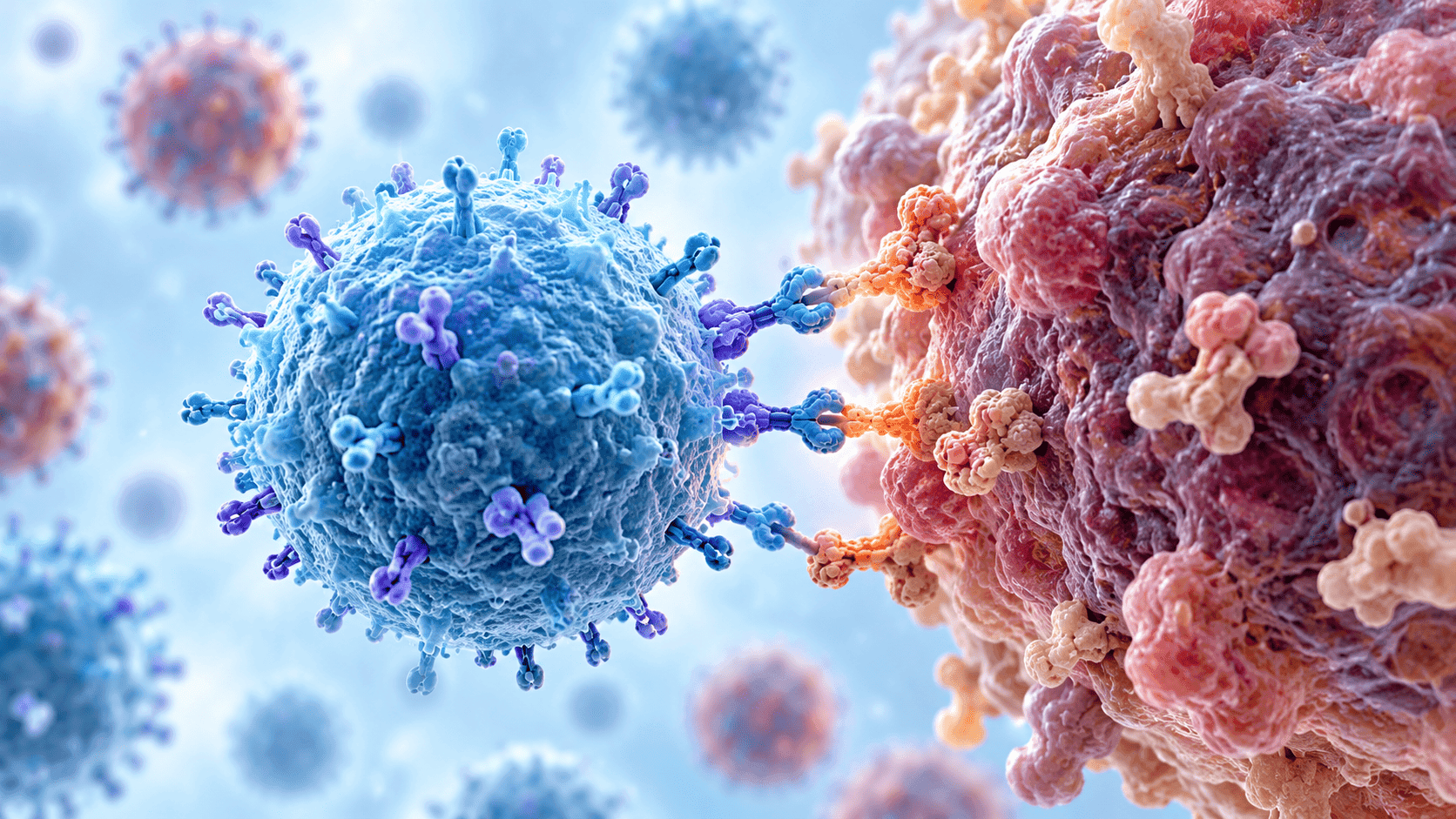
CAR T-cell therapy in India uses a patient’s modified immune cells to treat certain relapsed or treatment-resistant B-cell blood cancers. Treatment requires specialist assessment, close monitoring, and follow-up.
CAR T-Cell Therapy in India: Treatment, Eligibility, Procedure
CAR T-cell therapy in India offers a treatment option for selected patients with blood cancers that have returned or have not responded to standard treatment. Indian-developed therapies have expanded access to this personalised form of immunotherapy. However, treatment suitability depends on the cancer type, previous treatment, and the patient’s overall health.
What Is CAR T-Cell Therapy?
CAR stands for chimeric antigen receptor. This treatment uses T cells, a type of immune cell, collected from the patient’s blood.
Scientists modify these cells in a laboratory so they can recognise a particular protein on cancer cells. The modified cells are multiplied and returned to the patient through an intravenous infusion, helping the immune system identify and attack cancer.
Which CAR T-Cell Treatments Are Available in India?
India has approved CAR T-cell therapies for specific relapsed or refractory B-cell blood cancers. Relapsed means the cancer has returned, while refractory means it has not responded adequately to treatment.
| Treatment | Cancer types covered by its indication | Age requirement |
|---|---|---|
| NexCAR19 | Specified relapsed or refractory B-cell acute lymphoblastic leukaemia and B-cell non-Hodgkin lymphoma | 15 years and above |
| Qartemi | Relapsed or refractory B-cell non-Hodgkin lymphoma | Older than 18 years |
A specialist must confirm the current product requirements and individual eligibility. These treatments are not suitable for every type of leukaemia or lymphoma.
CAR T-cell treatment for solid tumours, such as breast or brain cancers, remains investigational rather than routine care. Patients should distinguish an approved treatment from an experimental treatment offered through a clinical trial.
Who May Be Eligible?
A haematologist or cellular therapy specialist assesses:
- The exact cancer subtype and relevant cancer-cell markers.
- Previous treatments and how the cancer responded.
- Heart, lung, liver, and kidney function.
- Active infections and other medical conditions.
- Fitness for treatment and arrangements for close monitoring.
A diagnosis alone does not confirm eligibility. Medical reports and a specialist assessment are necessary before planning treatment.
How Is CAR T-Cell Therapy Performed?
The treatment involves several stages:
- Specialist evaluation: The team checks suitability and explains the treatment plan, alternatives, and risks.
- T-cell collection: A procedure called leukapheresis separates white blood cells from the patient’s blood.
- Laboratory preparation: The collected cells are modified and multiplied. Some patients need bridging treatment to control cancer while waiting.
- Preparatory chemotherapy: A short course of chemotherapy helps prepare the body for the CAR T cells.
- Cell infusion: The prepared cells are administered through a vein according to the product’s schedule.
- Monitoring and follow-up: The team watches for complications and evaluates recovery and cancer response.
Benefits and Treatment Outcomes
CAR T-cell therapy can produce substantial responses in some patients whose blood cancers have been difficult to treat. Some responses last a long time, but treatment is not a guaranteed cure. Patients may not respond, or their cancer may return.
There is no single success rate for every patient. Ask whether a quoted figure describes an initial response, complete remission, or survival over a defined period—and whether it applies to your cancer and treatment history.
Possible Side Effects
CAR T-cell therapy can cause serious or life-threatening complications, including:
- Cytokine release syndrome: An inflammatory reaction that may cause fever, low blood pressure, and breathing problems.
- Neurological complications: These may include confusion, difficulty speaking, unusual drowsiness, or seizures.
- Low blood cell counts and infections: These can increase fatigue, bleeding, and infection risks.
New cancers have also been reported after CAR T-cell therapy, making long-term follow-up important.
Report fever, new confusion, breathing problems, or other concerning changes to the treatment team immediately. Seek emergency medical help for severe symptoms.
Recovery and Planning Your Stay
Plan for several weeks of treatment and monitoring, with a caregiver and accommodation near the hospital.
For NexCAR19, the manufacturer’s patient guidance recommends staying near the treatment centre for at least four weeks after infusion. The treating team may recommend a longer stay depending on recovery. Travel, driving, and return to work should follow the team’s instructions.
Planning treatment in India?
Get a free quote